Signs Your HVAC System Is Failing
Your HVAC system rarely stops working without warning. In most cases, it sends out clear signals long before a complete breakdown occurs. Recognizing these signs early can help you avoid costly repairs, unexpected discomfort, and emergency service calls.
This homeowner-friendly guide explains the most common signs your HVAC system may be failing, what they mean, and when it’s time to take action.
Unusual Noises You Haven’t Heard Before
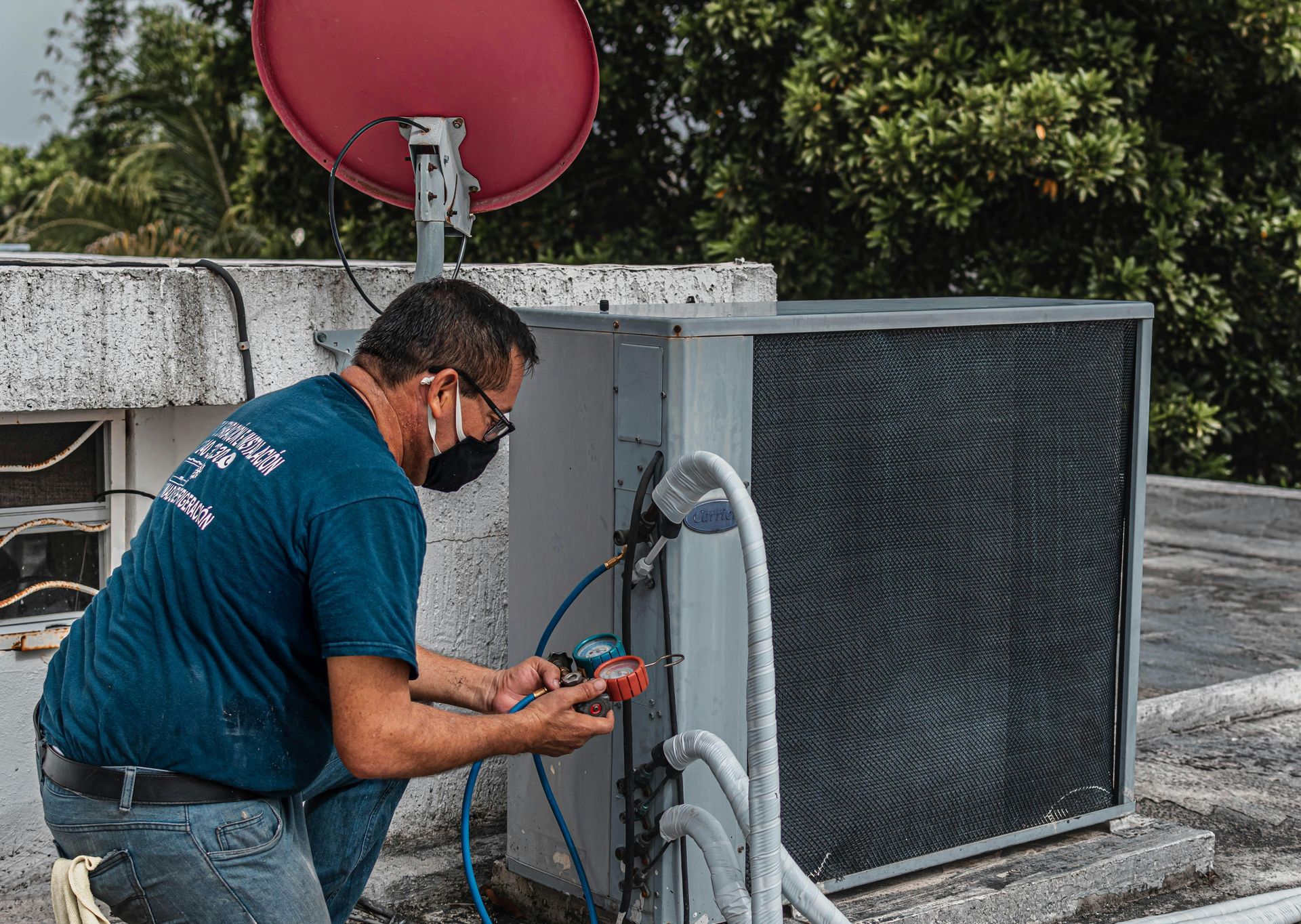
HVAC systems make some noise during normal operation, but sudden or unfamiliar sounds often signal trouble. Banging, grinding, squealing, or rattling noises usually indicate worn or loose components.
Ignoring these sounds can lead to more severe internal damage over time.
- Banging or clanking may indicate loose parts
- Squealing can signal belt or motor issues
- Grinding often points to bearing failure
Inconsistent Temperatures Throughout Your Home
If some rooms feel much warmer or colder than others, your HVAC system may be struggling. Uneven temperatures often indicate airflow problems, aging equipment, or failing components.
Comfort issues that persist despite thermostat adjustments should not be ignored.
Rising Energy Bills Without Explanation
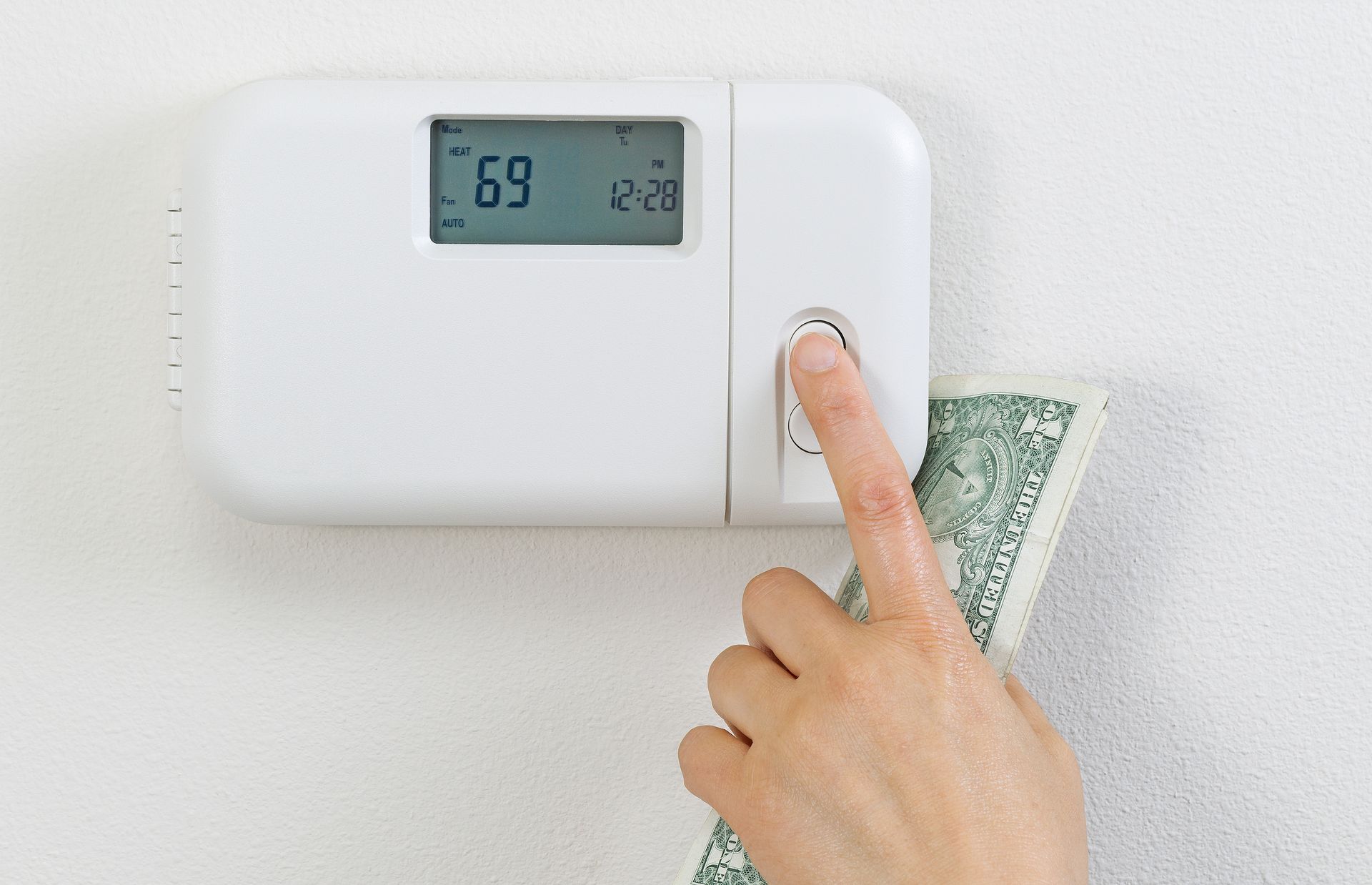
One of the most common warning signs of HVAC failure is a sudden increase in energy costs. As systems age or malfunction, they often work harder to maintain comfort.
If your usage habits haven’t changed but your bills have, your HVAC system may be the culprit.
Short Cycling or Constant Running
Short cycling occurs when your system turns on and off too frequently. This behavior places extra strain on components and reduces efficiency.
On the other hand, a system that runs constantly without reaching the desired temperature may be nearing the end of its lifespan.
- Increased wear on components
- Higher energy consumption
- Reduced comfort
Poor Airflow From Vents
Weak airflow is often a sign of blower issues, duct problems, or clogged filters. When airflow is restricted, your system cannot distribute air properly.
This problem often worsens over time if left unresolved.
Frequent Repairs and Service Calls
If your HVAC system requires frequent repairs, it may no longer be cost-effective to maintain. Repeated breakdowns often indicate deeper system issues.
At some point, replacement becomes the smarter long-term investment.
Conclusion: Don’t Ignore the Warning Signs
Your HVAC system gives you plenty of signals when something isn’t right. Acting early can save money, prevent discomfort, and extend equipment life.
Concerned about your HVAC system’s performance? Schedule a professional inspection today to catch problems before they become costly failures.
You might also like
American Family HVAC Blogs