How to Improve Indoor Air Quality at Home
Indoor air quality plays a major role in your comfort, health, and overall well-being. Since most people spend a significant amount of time indoors, the air inside your home can have a bigger impact than outdoor air. Unfortunately, dust, allergens, humidity, and airborne pollutants often build up without homeowners realizing it.
The good news is that improving indoor air quality doesn’t require major renovations. With the right HVAC strategies and simple lifestyle adjustments, you can create a cleaner, healthier home environment.
Why Indoor Air Quality Matters
Poor indoor air quality can contribute to allergies, asthma symptoms, headaches, fatigue, and respiratory issues. Even homes that appear clean can trap pollutants that circulate through the HVAC system.
Common indoor air contaminants include dust, pet dander, pollen, mold spores, and volatile organic compounds from household products.
Improving air quality supports better health and more comfortable living.
Upgrade and Maintain HVAC Air Filters
Your HVAC air filter is the first line of defense against airborne particles. A dirty or low-quality filter allows dust and allergens to circulate freely throughout your home.
Upgrading to a high-efficiency filter and replacing it regularly can dramatically improve air quality.
- Replace filters every 1–3 months
- Use high-efficiency or HEPA-rated filters when compatible
- Check filters more often if you have pets or allergies
Improve Ventilation Throughout Your Home
Ventilation helps remove stale air and bring in fresh outdoor air. Without proper ventilation, pollutants become trapped inside your living space.
Exhaust fans in kitchens and bathrooms play an important role in removing moisture, odors, and contaminants.
In tightly sealed homes, mechanical ventilation systems may be necessary to maintain healthy airflow.
Control Humidity Levels
High humidity encourages mold growth, while overly dry air can irritate skin and respiratory passages. Maintaining balanced humidity is essential for indoor comfort.
Most homes benefit from keeping indoor humidity between 30 and 50 percent.
- Use dehumidifiers in damp areas
- Fix leaks promptly
- Consider whole-home humidifiers or dehumidifiers
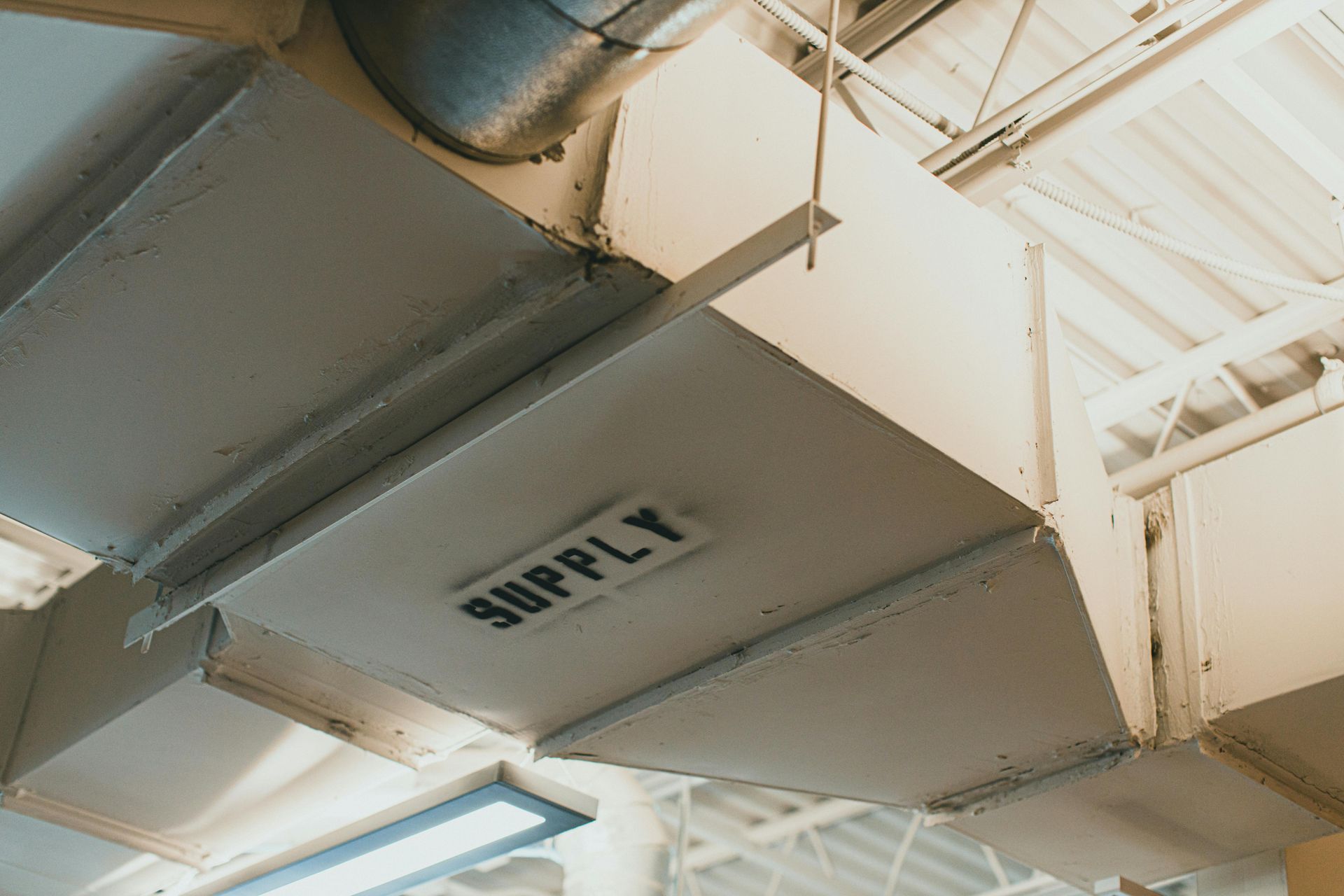
Keep Ductwork Clean and Sealed
Dust, debris, and allergens can accumulate inside ductwork over time. When the system runs, these particles are redistributed throughout your home.
Sealing duct leaks prevents contaminants from entering the system from attics, crawl spaces, or basements.
Professional duct cleaning may be beneficial in certain situations.
Reduce Indoor Pollutant Sources
Everyday activities contribute to indoor air pollution. Cleaning products, candles, smoking, and even furniture can release airborne chemicals.
Choosing low-emission products and improving ventilation during activities can help reduce exposure.
- Use natural or low-VOC cleaning products
- Avoid smoking indoors
- Limit use of scented candles and sprays
Consider Air Purification Solutions
Air purifiers can provide an extra layer of protection by capturing fine particles and neutralizing contaminants. Whole-home air purification systems integrate directly with your HVAC system.
These systems are especially helpful for allergy sufferers and households with pets.
Conclusion: Breathe Easier at Home
Improving indoor air quality is an investment in your health and comfort. Small changes combined with proper HVAC maintenance can make a noticeable difference.
Want cleaner, healthier air in your home? Schedule an indoor air quality assessment today to find the best solutions for your space.
You might also like
American Family HVAC Blogs