2026 Winter Heating Tips for Elgin, IL: How to Save on Your Heating Bill

Winters in Elgin, Illinois are no joke. With freezing temperatures, lake-effect winds, and rising energy costs in 2026, many homeowners are looking for practical ways to lower heating bills without sacrificing comfort. Whether you live in Elgin, Schaumburg, Bartlett, Streamwood, South Elgin, or Carpentersville, these proven HVAC energy-saving tips can help reduce heating costs and keep your home warm all winter long.
1. Install a Smart Thermostat in Your Elgin Home
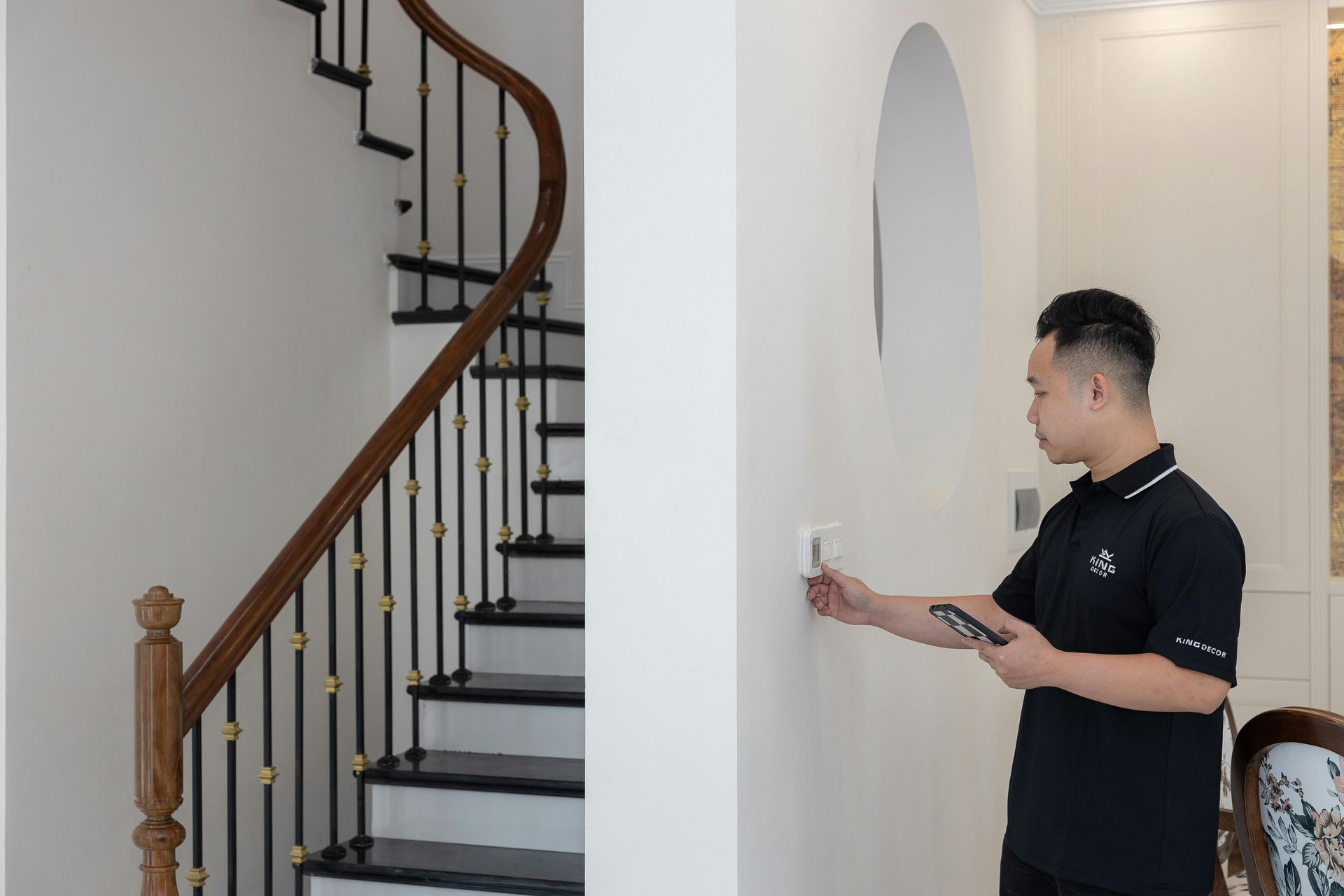
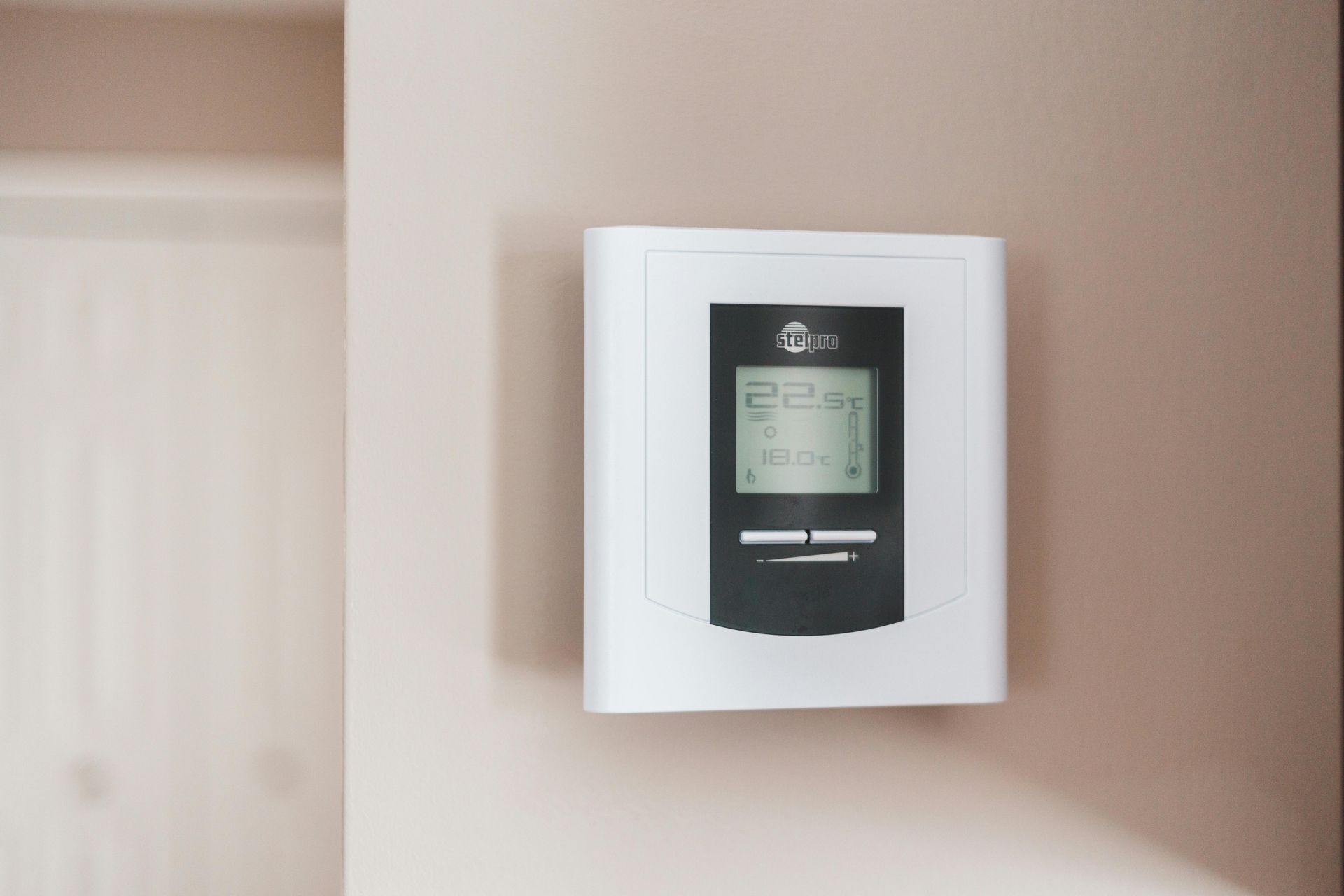
A smart thermostat is one of the most effective upgrades for reducing heating costs during an Illinois winter. Modern thermostats in 2026 are far more advanced than older programmable models, using learning algorithms and weather data to optimize comfort.
These systems automatically adjust temperatures based on your daily routine, reduce furnace runtime when you are away, and adapt to Elgin’s rapidly changing winter weather patterns. This means your home stays comfortable without unnecessary energy use.
Many Elgin homeowners report saving between 10–15% annually after upgrading and properly programming a smart thermostat. Have you checked whether your current thermostat is working as efficiently as it could?
2. Seal Drafts to Prevent Heat Loss in Illinois Winters
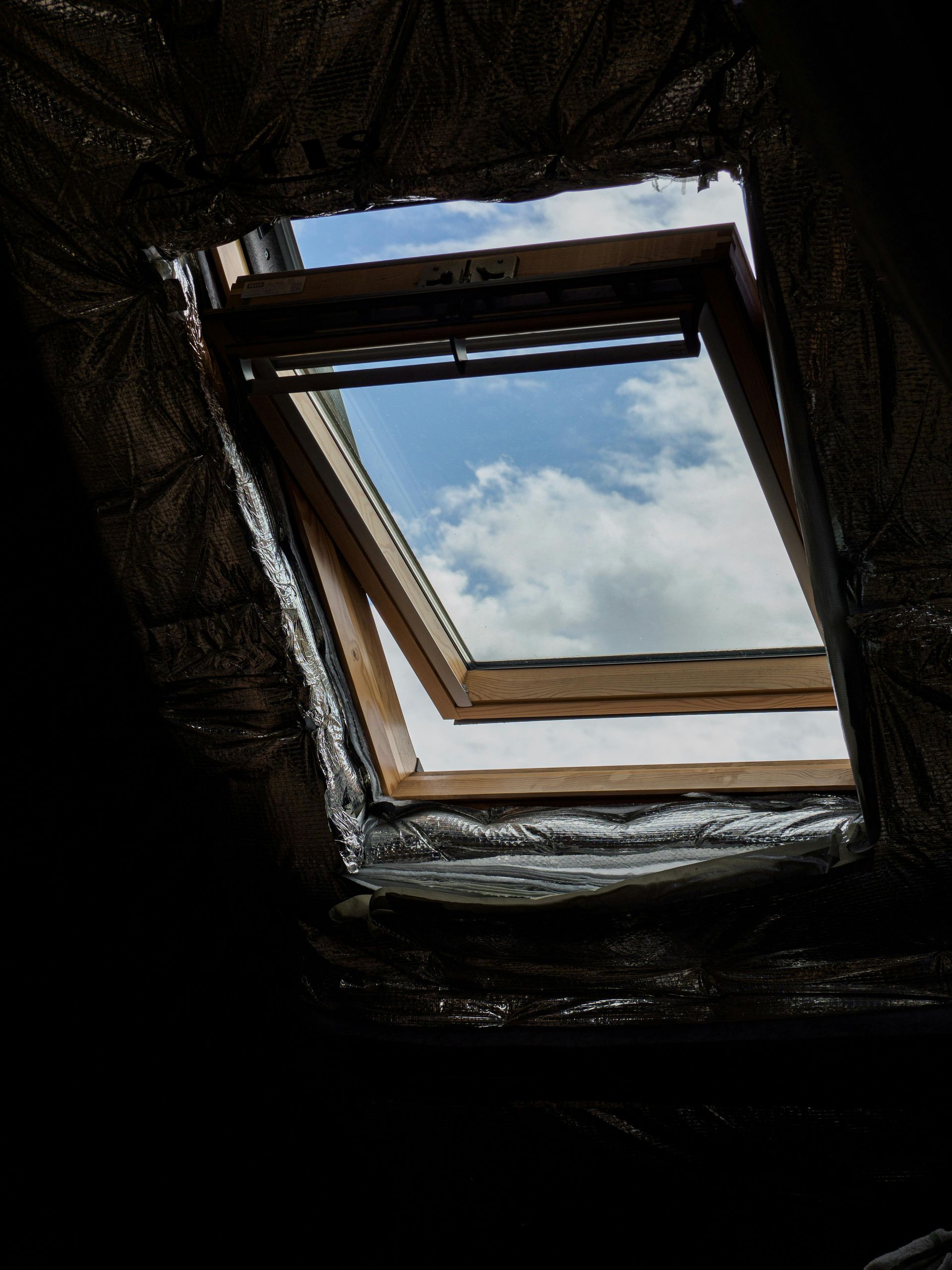
Older homes throughout Elgin and Kane County are especially vulnerable to air leaks that allow warm air to escape. Even small gaps can add up to significant heat loss over the course of a long winter.
Common trouble spots include drafty windows and doors, attic penetrations, basements, and crawl spaces that are common in Illinois homes. Sealing these areas helps keep heated air inside where it belongs.
By reducing drafts, your furnace or heat pump doesn’t have to work as hard, which lowers energy consumption and extends equipment lifespan. Have you ever noticed cold spots near windows or exterior walls?
3. Schedule Winter HVAC Maintenance in Elgin, IL
Routine HVAC maintenance is critical for efficient and reliable heating during harsh Illinois winters. A professional furnace tune-up ensures all components are operating safely and efficiently.
Maintenance improves heating efficiency, reduces monthly utility bills, and helps identify small issues before they turn into costly emergency repairs. This is especially important during extended cold snaps.
Furnace failures are most common in Elgin during January when systems are under maximum stress. Annual maintenance can provide peace of mind and uninterrupted comfort.

4. Change Furnace Air Filters Regularly
Dirty furnace air filters are one of the most common causes of high heating bills in Elgin-area homes. When airflow is restricted, your system must run longer to deliver the same level of warmth.
During winter, filters should be changed every one to two months, or monthly if you have pets or allergies. Clean filters improve airflow, efficiency, and indoor air quality.
This simple maintenance task is inexpensive yet highly effective for reducing strain on your heating system and lowering energy costs.
5. Use Zoned Heating or Close Off Unused Rooms
Heating unused rooms wastes energy, especially in larger suburban homes common throughout Elgin and Schaumburg. Zoned heating solutions allow you to focus warmth only where it’s needed.
Options include professionally installed HVAC zoning systems, smart thermostats with room sensors, or simply closing vents in rarely used rooms. Each approach helps reduce unnecessary heating.
This strategy keeps living spaces comfortable while lowering overall heating demand. Are there rooms in your home that rarely get used during winter?
6. Use Sunlight to Offset Heating Costs
Even during cold Illinois winters, sunlight can provide free supplemental heat. Strategic use of natural light helps warm your home during daylight hours.
Opening south-facing blinds during the day allows solar heat gain, while closing insulated curtains at night helps retain warmth. These small habits reduce furnace runtime.
Over time, using sunlight effectively can make a noticeable difference in energy usage and comfort.
7. Upgrade Insulation for Elgin-Area Homes
Poor insulation is a major reason many Elgin homeowners struggle with high winter heating bills. Heat easily escapes through under-insulated areas, forcing systems to work overtime.
Attics, basements, and exterior walls offer the highest return on investment when upgrading insulation. Improving these areas creates a stronger thermal barrier.
In 2026, many Illinois homeowners qualify for ComEd rebates, federal tax credits, and energy-efficiency incentives, making insulation upgrades more affordable than ever.
8. Consider a High-Efficiency Furnace or Heat Pump
High-efficiency furnaces and cold-climate heat pumps are designed to perform reliably even during Illinois winters. New systems deliver consistent warmth while using significantly less energy.
Benefits include lower utility bills, improved indoor comfort, and long-term savings through reduced energy consumption. Many models also qualify for rebates and tax incentives.
A trusted local HVAC professional can evaluate your home and recommend the best heating solution for Elgin’s climate and your household needs.
Conclusion
Staying warm during an Elgin winter doesn’t have to mean sky-high heating bills. By combining smart technology, routine maintenance, insulation improvements, and efficient heating practices, homeowners can enjoy comfort while keeping costs under control.
If you are ready to improve your home’s heating efficiency this winter, consider starting with one or two of these tips today. Small changes can lead to big savings when temperatures drop.
You might also like
American Family HVAC Blogs