How Your HVAC System Works: A Simple Homeowner Guide
Your heating, ventilation, and air conditioning (HVAC) system works quietly behind the scenes to keep your home comfortable year-round. While most homeowners rely on it every day, few understand how all the pieces work together. Knowing the basics can help you spot problems early, make smarter maintenance decisions, and feel more confident when speaking with HVAC professionals.
This simple homeowner guide breaks down how an HVAC system works in clear, easy-to-understand terms. We’ll walk through each major component, explain what it does, and show how everything connects to deliver consistent indoor comfort.
What Does HVAC Stand For?
HVAC stands for Heating, Ventilation, and Air Conditioning. These three functions work together to regulate your home’s temperature, air quality, and humidity. While systems can vary by home and climate, most residential HVAC setups follow the same basic principles.
Heating keeps your home warm during colder months, air conditioning removes heat during warmer months, and ventilation circulates and refreshes the air you breathe. When all three operate properly, your home stays comfortable and healthy throughout the year.
The Thermostat: Your System’s Control Center
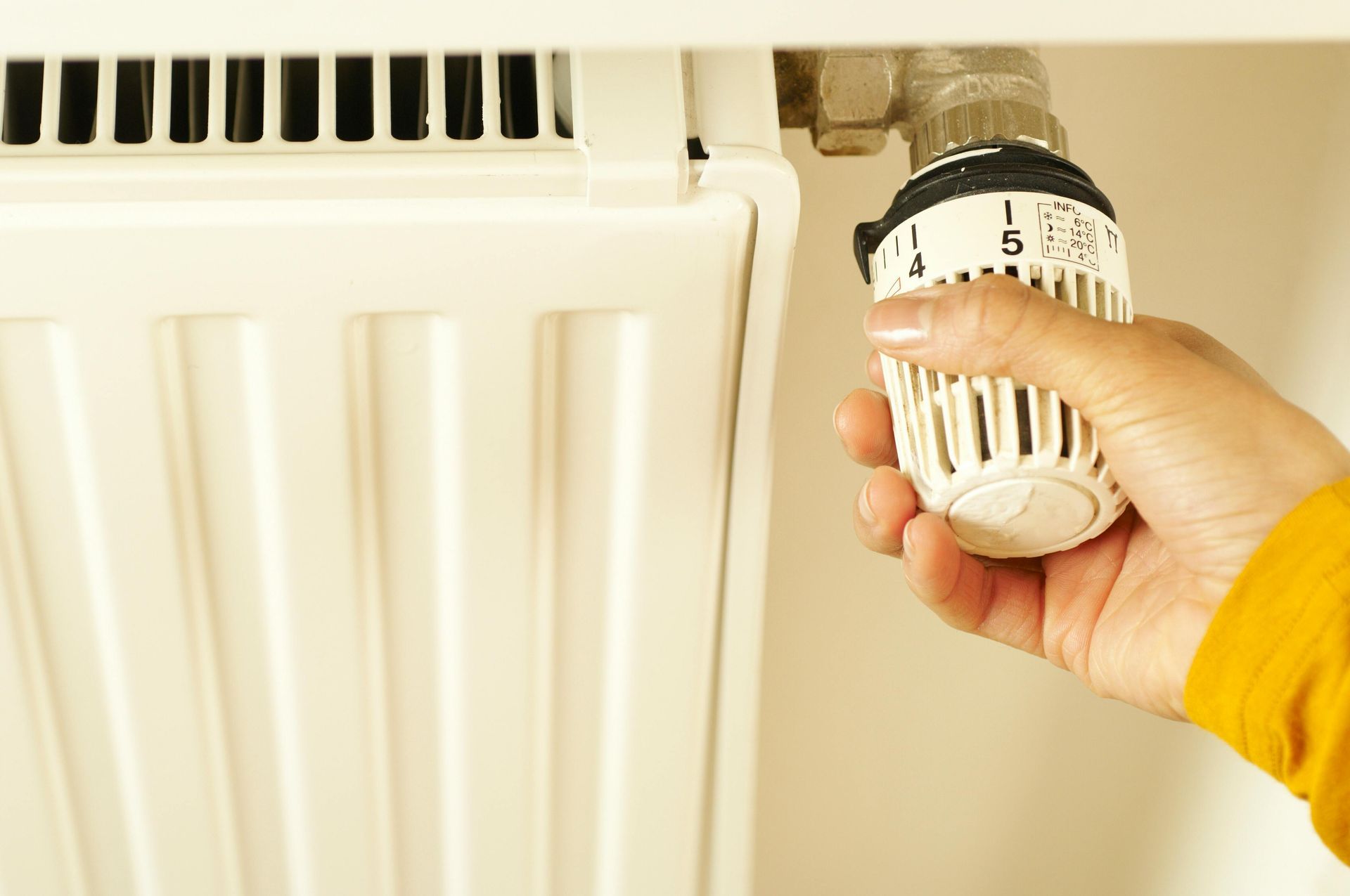
The thermostat is the command center of your HVAC system. It senses the temperature inside your home and tells the system when to turn on or off. When you adjust the thermostat, you’re essentially sending instructions to the heating or cooling equipment.
Modern thermostats can do much more than basic temperature control. Many programmable and smart thermostats learn your schedule, reduce energy use when you’re away, and provide insights into system performance.
- Measures indoor temperature
- Sends signals to heating or cooling equipment
- Helps control energy usage and comfort levels
How Heating Works in Your HVAC System
During colder months, your HVAC system switches into heating mode. Depending on your home, this may involve a furnace, boiler, or heat pump. The goal is simple: generate heat and distribute it evenly throughout your living space.
In a furnace-based system, fuel such as natural gas or electricity creates heat inside the furnace. A blower fan then pushes warm air through the ductwork and out of the vents in each room.
Heat pumps work differently. Instead of creating heat, they move heat from outside air into your home. Even cold outdoor air contains usable heat, which makes heat pumps an energy-efficient option in many climates.
How Air Conditioning Cools Your Home
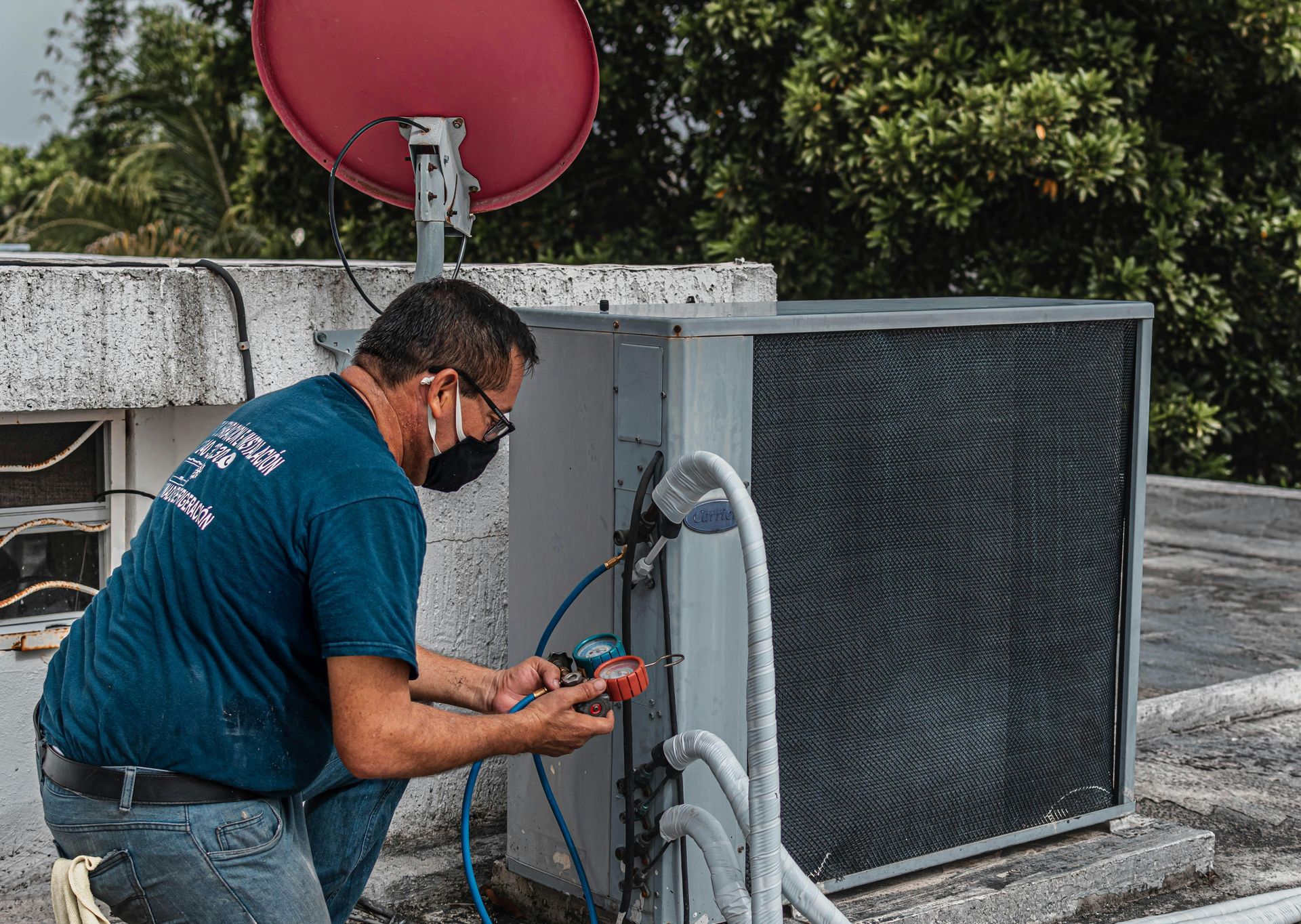
Air conditioning works by removing heat from your home and releasing it outdoors. This process relies on refrigerant, a special fluid that absorbs and releases heat as it moves through the system.
Warm indoor air is pulled into the system and passed over an evaporator coil. The refrigerant inside the coil absorbs heat, cooling the air before it’s circulated back through your home.
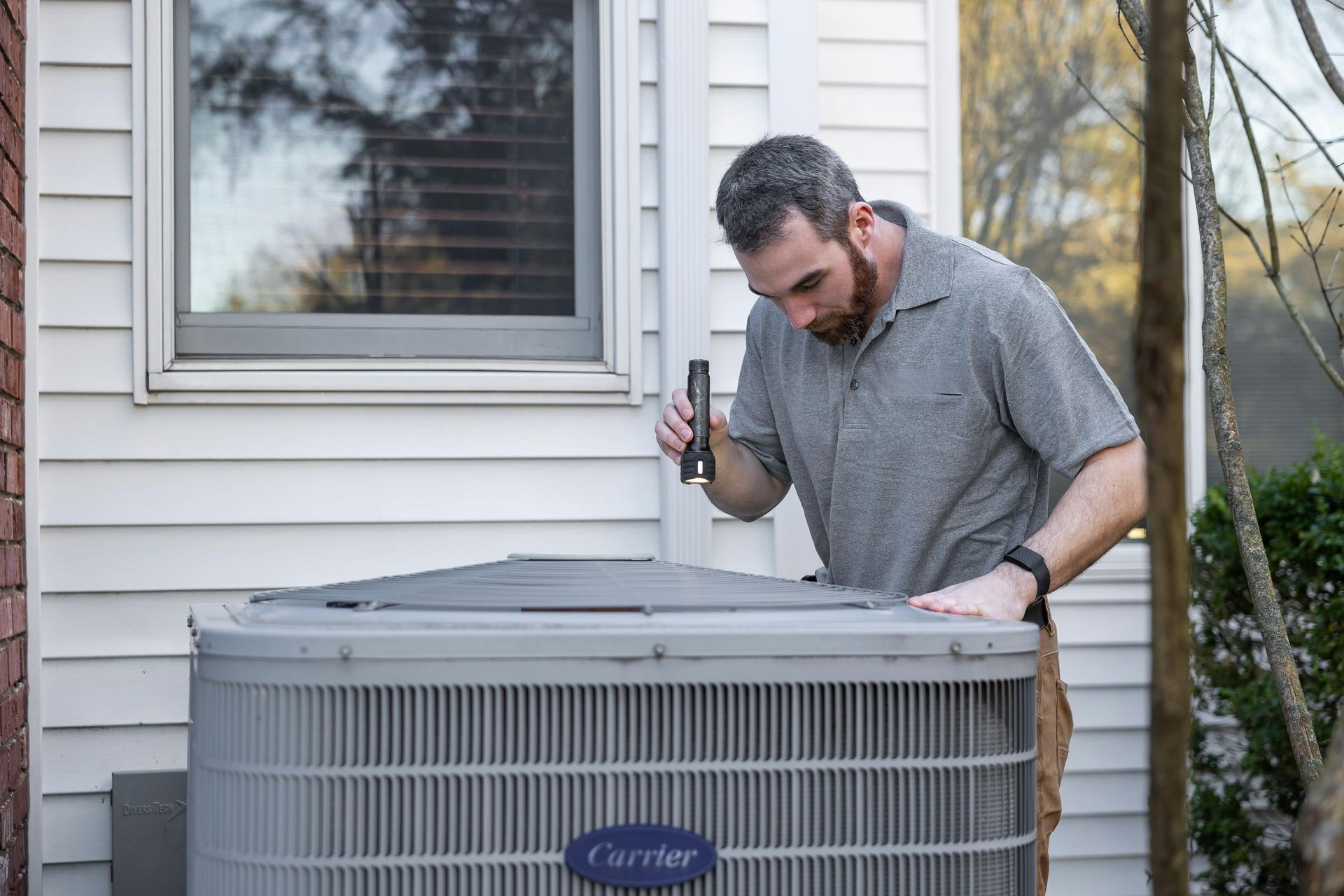
The absorbed heat is then released outside through the condenser unit. This continuous cycle keeps indoor temperatures comfortable even during extreme heat.
- Warm air is drawn in through return vents
- Heat is absorbed by refrigerant
- Cooled air is distributed back into rooms
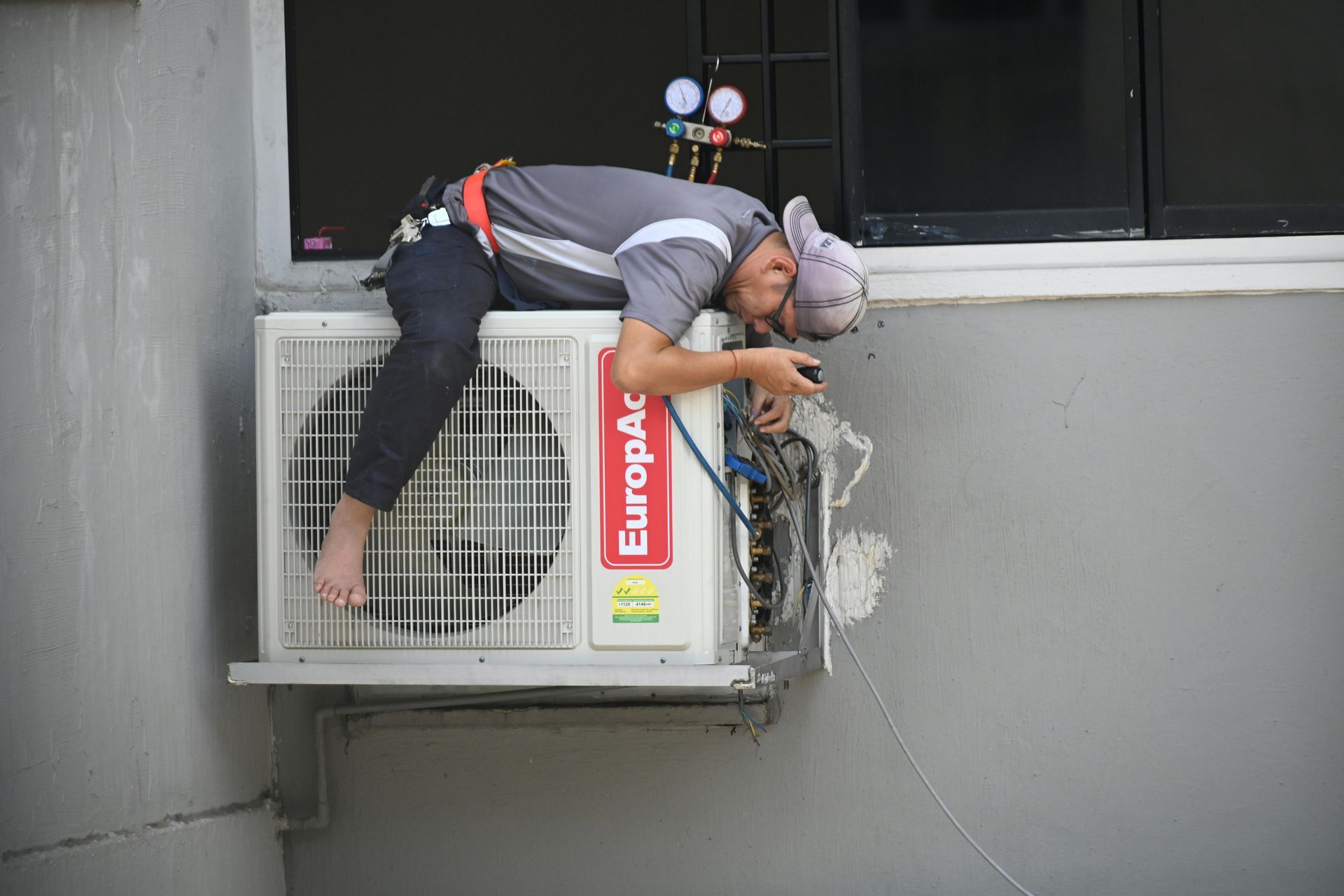
The Role of Ductwork and Airflow
Ductwork acts like a highway system for air. It carries heated or cooled air from the HVAC unit to different rooms and brings air back to be reheated or recooled. Proper airflow is essential for consistent comfort.
If ducts are damaged, leaking, or poorly designed, your system has to work harder. This can lead to uneven temperatures, higher energy bills, and unnecessary wear on equipment.
Regular inspections and sealing can significantly improve system efficiency and indoor comfort.
Ventilation and Indoor Air Quality
Ventilation ensures fresh air circulates throughout your home while removing stale air, odors, and pollutants. This process helps maintain healthy indoor air quality, especially in tightly sealed modern homes.
HVAC systems use air filters to capture dust, pollen, pet dander, and other particles. Replacing filters regularly keeps air clean and prevents airflow restrictions.
- Improves indoor air quality
- Reduces allergens and dust
- Supports overall system efficiency
Why Regular Maintenance Matters
Your HVAC system is one of the most expensive and important systems in your home. Regular maintenance helps prevent breakdowns, extends equipment lifespan, and keeps energy costs under control.
Simple tasks like changing air filters, keeping outdoor units clear, and scheduling annual professional inspections can make a noticeable difference in performance.
Well-maintained systems not only run better but also provide peace of mind during extreme weather.
When to Call an HVAC Professional
While homeowners can handle basic maintenance, some issues require professional attention. Unusual noises, weak airflow, inconsistent temperatures, or rising energy bills can signal deeper problems.
An experienced HVAC technician can diagnose issues accurately, recommend repairs, and help you plan for future upgrades when needed.
Conclusion: Understanding Your HVAC System Pays Off
Your HVAC system is a complex network of components working together to keep your home comfortable. Understanding how it works empowers you to make informed decisions, maintain efficiency, and protect your investment.
Ready to improve your home’s comfort and efficiency? Schedule a professional HVAC inspection today to ensure your system is running at its best and prepared for every season.
You might also like
American Family HVAC Blogs